Terraform is an infrastructure configuration language. It supports the declarative, stateful definition of abstractions ranging from compute resources, server configuration, certificates, secrets, and much more. In addition to a powerful set of CLI commands, the configuration language itself provides several powerful abstractions that can be used to structure complex projects as required.
Terraform is an infrastructure provisioning tool. At its core, you define a declarative manifest of resources that represent concrete computing instances, system configuration such as networks, firewalls, and infrastructure configuration. Terraform adheres to the concept of immutable infrastructure: Resources should match the state as expressed in the manifests, and any difference between the concrete objects and the manifests are resolved by changing the conrete object or recreate it.
Terraform is an infrastructure provisioning tool. From a declarative resource description, concrete infrastructure objects are created. In my last articles, you learned about Terraform projects, i.e.how to configure providers and resources and the recommended file structure. Also, you learned about the Terraform workflow consisting of a one-time initialization, followed by iterative phases of writing, planning, and applying.
Terraform facilitates managing compute resources, user accounts, certificates, secrets, and much more in different cloud environments. At its heart is a declarative specification language with which resources are expressed, and a rich CLI that executes various commands.
Terraform is an infrastructure configuration language. It supports the declarative, stateful definition of abstractions ranging from compute resources, network components, server configuration, and user accounts and permissions. With a wide range of provisioners - environments and scripts that facilitate the creation of these abstraction - it has a strong position in DevOps operations.
When you build a robot, there are basically two approaches: You can either start from scratch, get all required hardware, the chassis, sensor, actuators and microcontroller or single-board computers, and program the software. Or you buy a complete kit which includes all parts and a software stack.
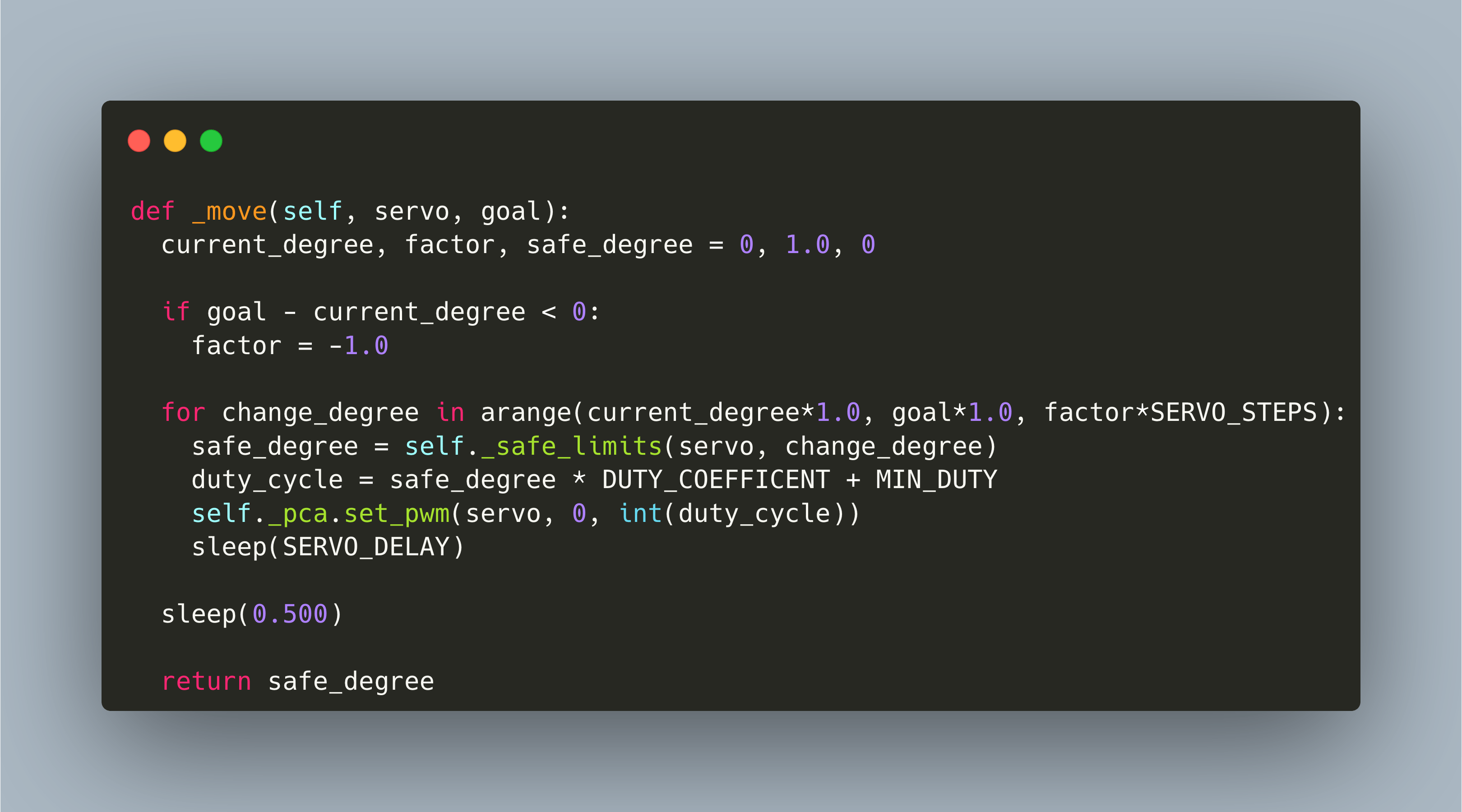
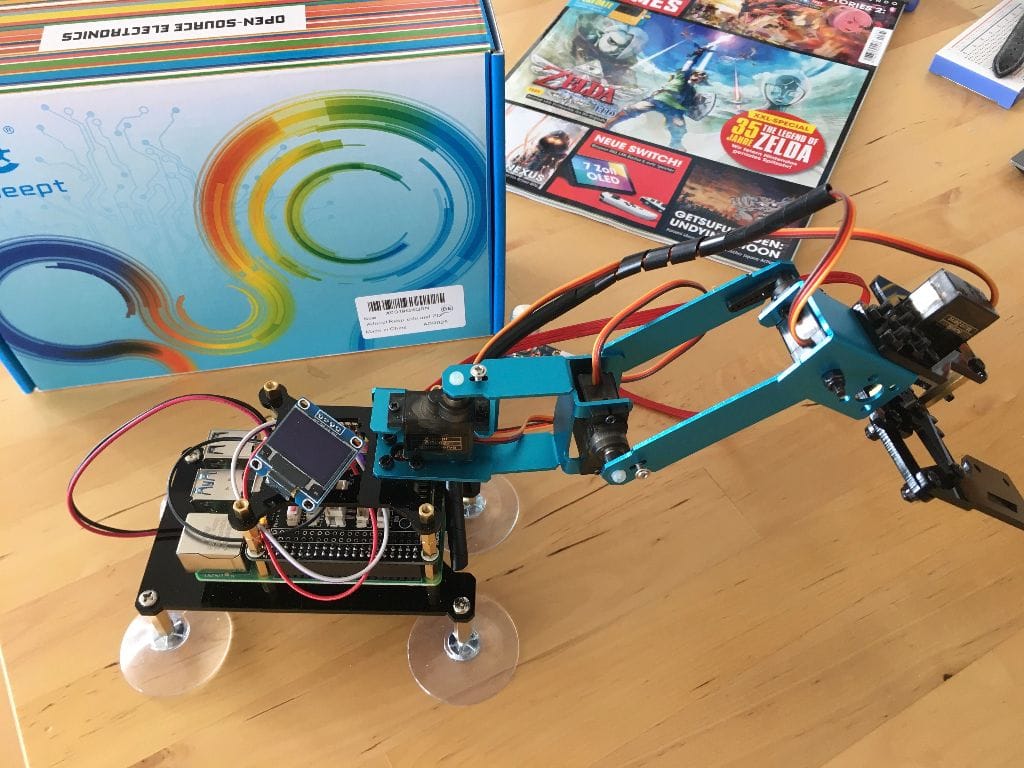
The Raspberry Pi Arm kit is a 4 degree of freedom robot manipulator. Its 4 servo motors are connected via a custom motor hat that put on top of the raspberry Pi. This hat is based on the PCA9685, an I2C motor controller. Using Python, we can program this arm.
A robot arm manipulator consist of joints and servo motors. It’s attached to a fixed base, and upon receiving command, executes movement actions. Moving is a two-step process: First, the arm needs to receive a command, and second it needs to translate this command into coordinated actions that will move the joints accordingly. This article focuses on the first question: How to send commands effectively to the arm?
When you build a robot, there are basically two approaches: You can either start from scratch, get all required hardware, the chassis, sensor, actuators and microcontroller or single-board computers, and program the software. Or you buy a complete kit which includes all parts and a software stack. For the first half of 2021 I followed the first approach and build two moving robots, RADU MK1 and RADU MK2. The MK2 version also included ROS as the middleware layer, supporting the goal of semi-autonomous navigation by detecting its environment.
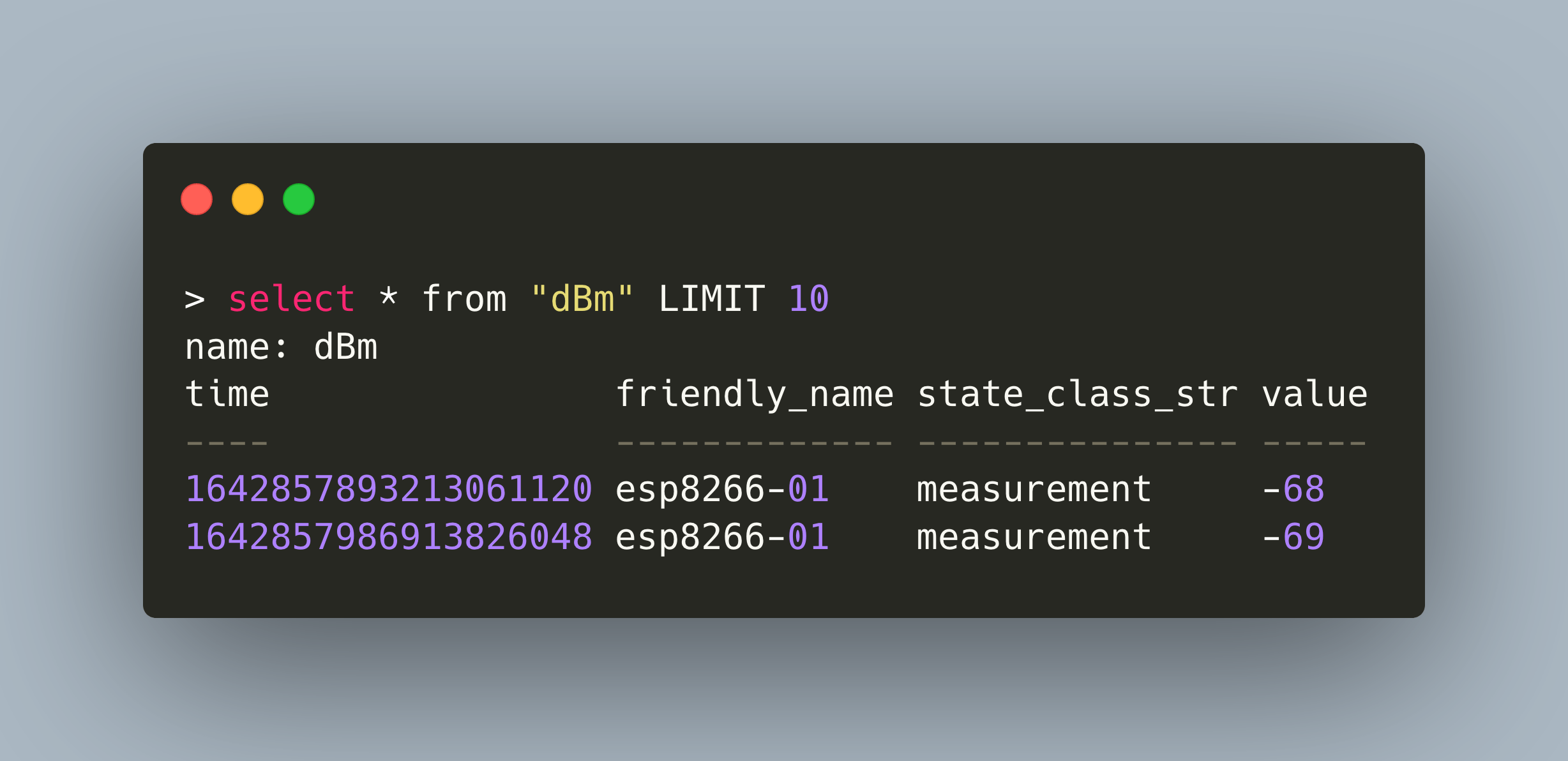
Home Assistant (HA) is a versatile solution to manage IOT boards and their sensors. It helps to facilitate data collection and provide user friendly home automation. In its default configuration, HA will store every state change in its own internal SQLite database. Yet for IOT developers, using and working with timeseries database, like InfluxDB, is the norm. Can we use HA to store sensor data in a timeseries DB as well? Short answer: Yes. Long answer: Yes, but HA makes explicit, not configurable convention how and what to save, so check the details...