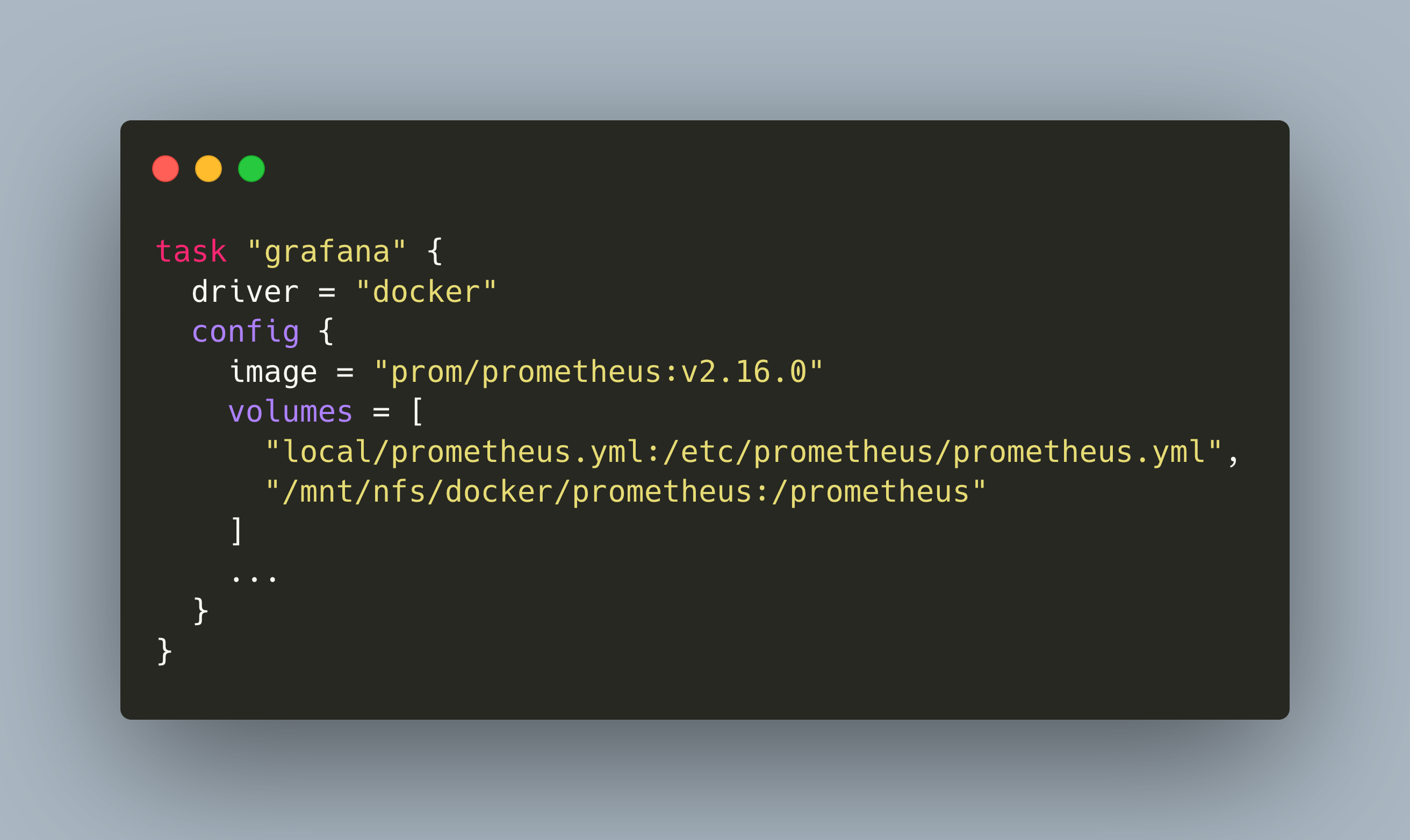
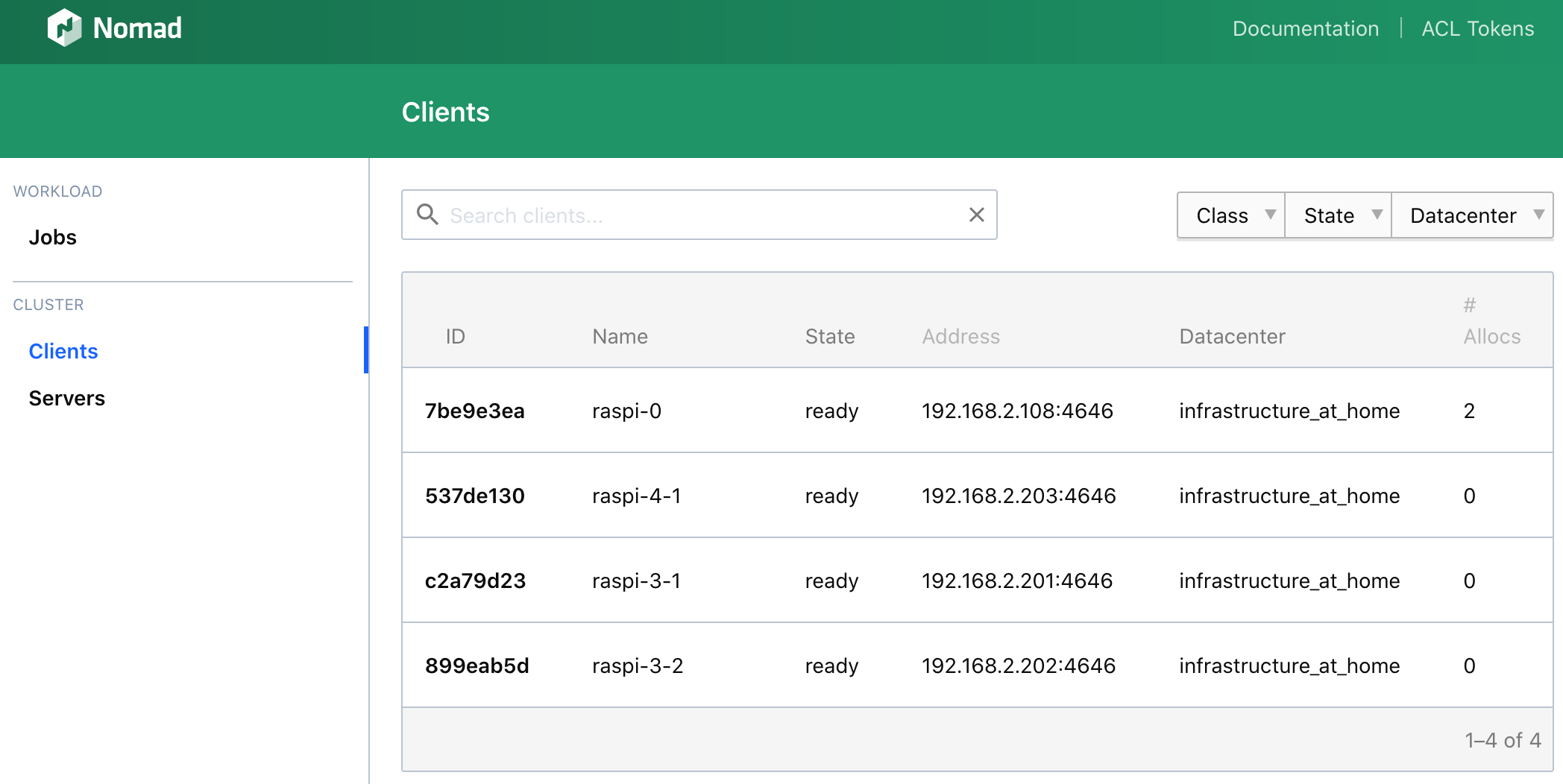
Nomad gives you several options for persisting data. In this article, I systematically tried docker bind mounts, docker volume mounts and NFS to share some painful lessons learned.
With Lighthouse you can quickly scan web pages for their performance, SEO and best practices. I provide lighthouse as a service, powered by microservices that run on Kubernetes. Read about my motivation and initial design considerations.
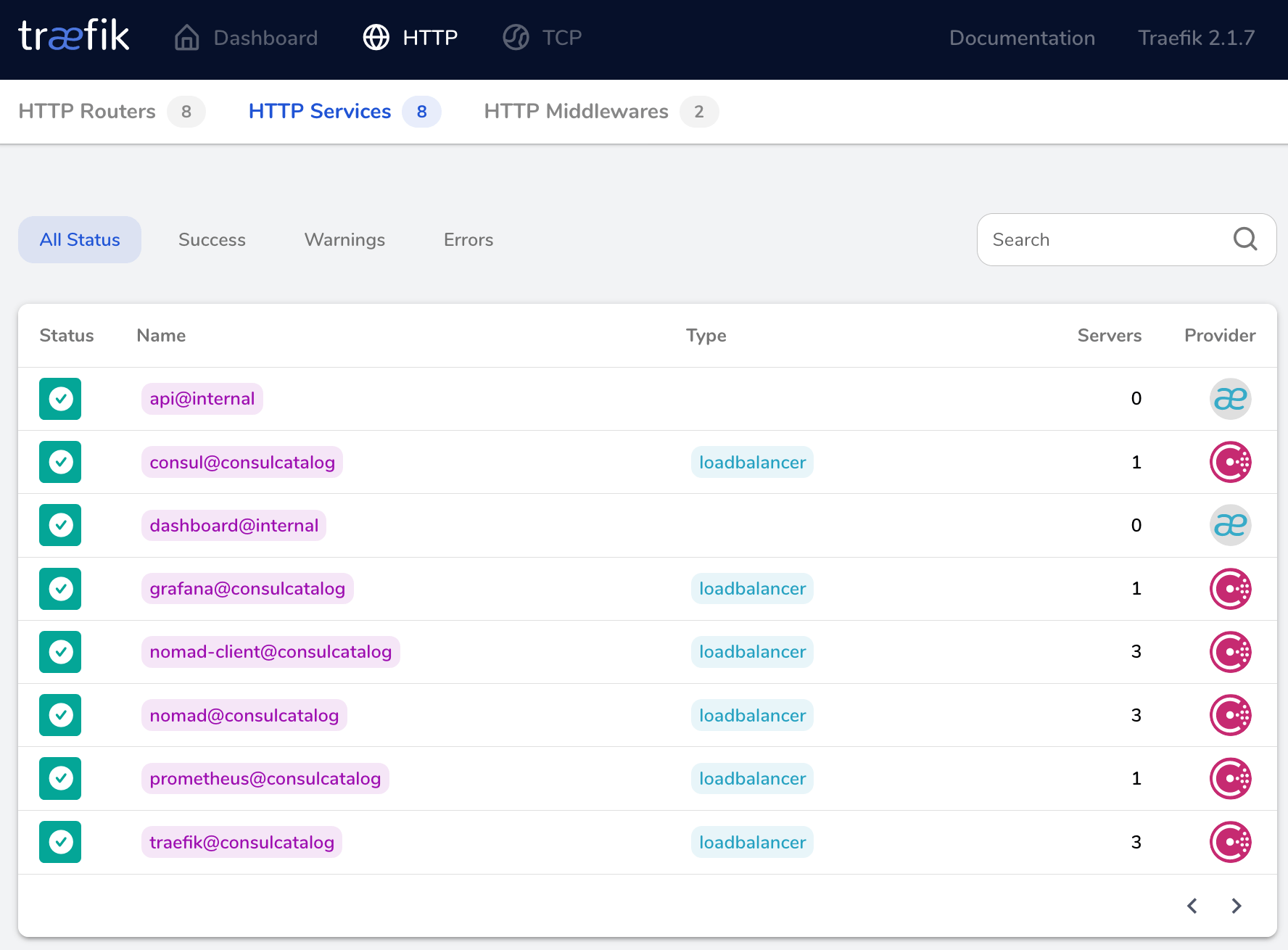
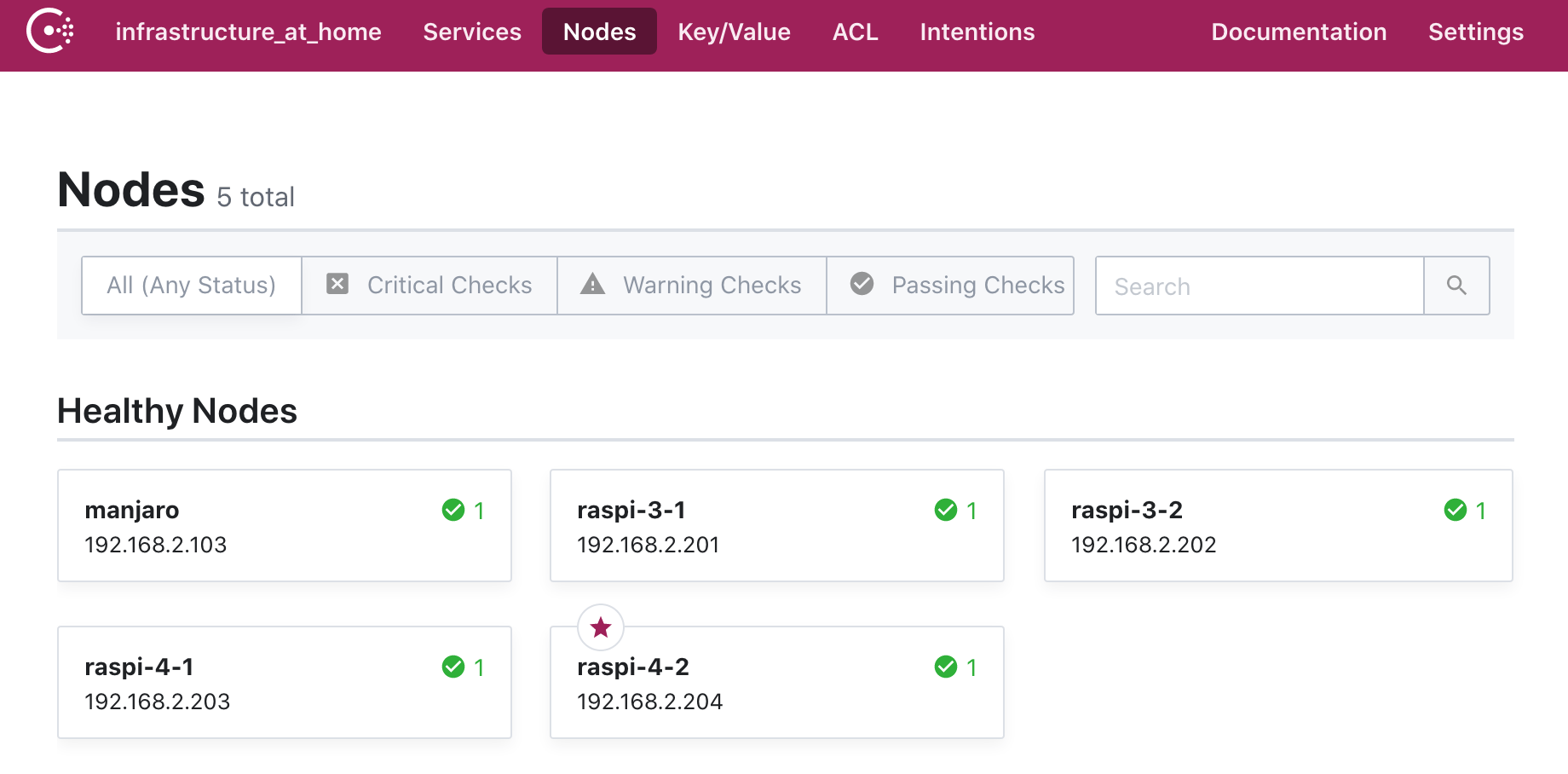
Service discovery in a cluster is essential for your application. Learn how to combine Consul, DNSmasq and Traefik for automating DNS resolution with minimal configuration.
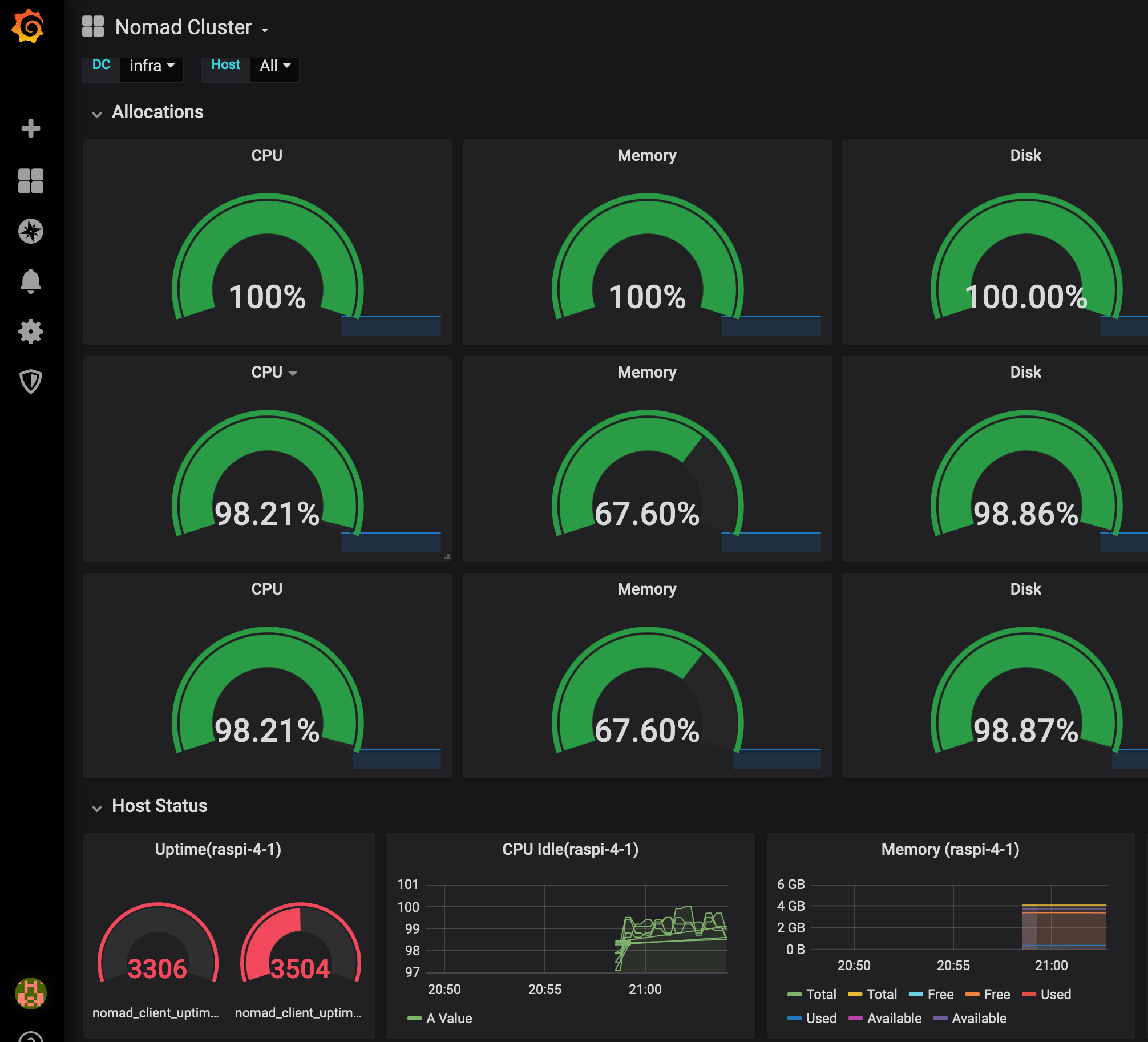
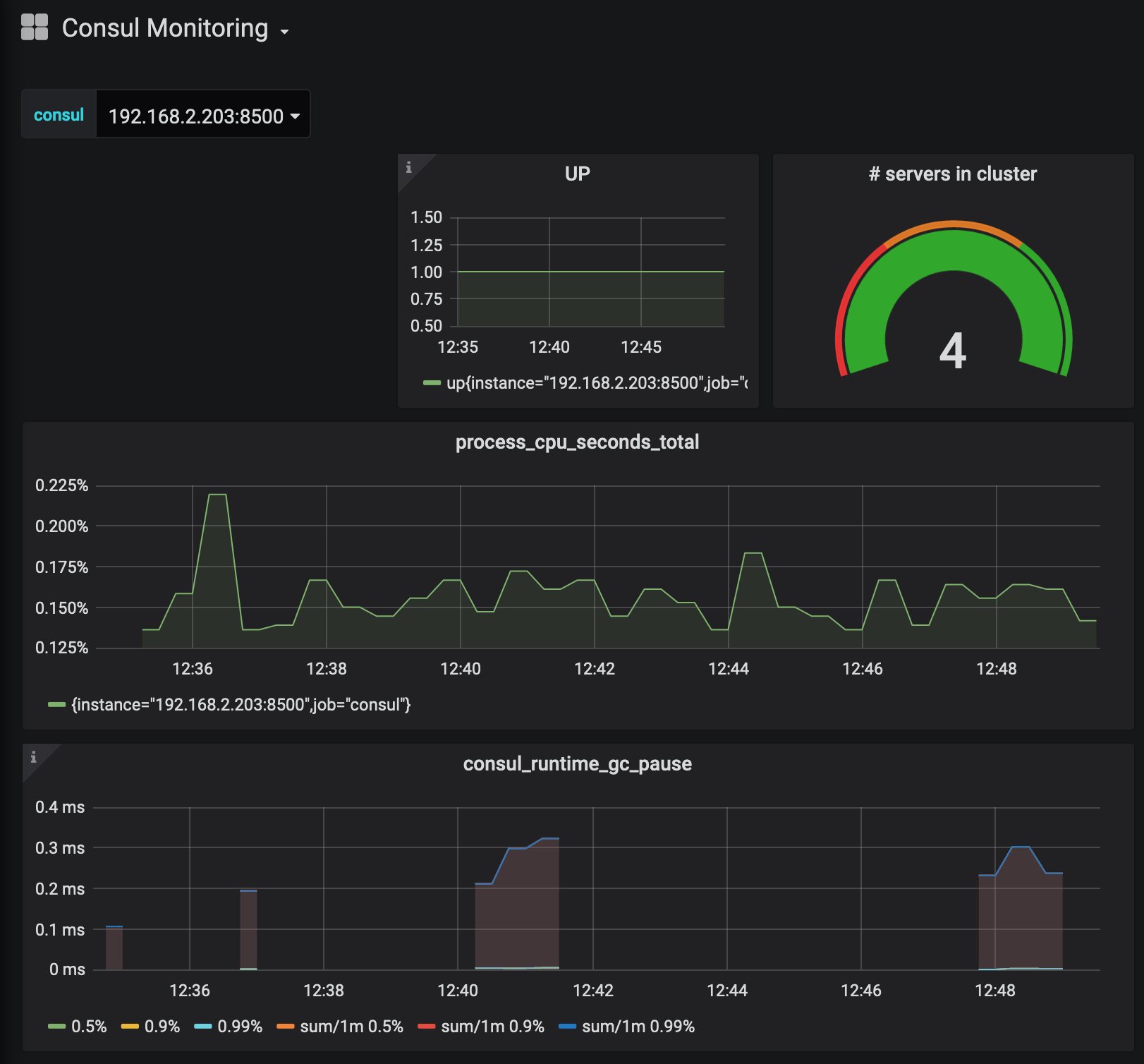
Nomad provides essential hardware metrics about your nodes: disk i/o, RAM, CPU. Learn how to collect these metrics with Prometheus, and visualize them using Grafana
Nomad is a distributed job scheduler, orchestrator and monitor. Learn how to install and use it for provisioning your Docker containers in my new article.
In the last article, I showed how to install the service monitoring and discovery solution Consul. With this solution, we can connect all nodes in a cluster and see their health status. However, one requirement is still missing: Monitoring the CPU and RAM of the nodes.
Consul is a service monitoring and discovery software. It helps us to define, monitor and connect services that run on our nodes. A service is any software, for example a web server, an application, and it can run on the nodes itself or inside a container. Consul provides a command line interface, HTTP API enpoints, and a Web UI to monitor all systems.
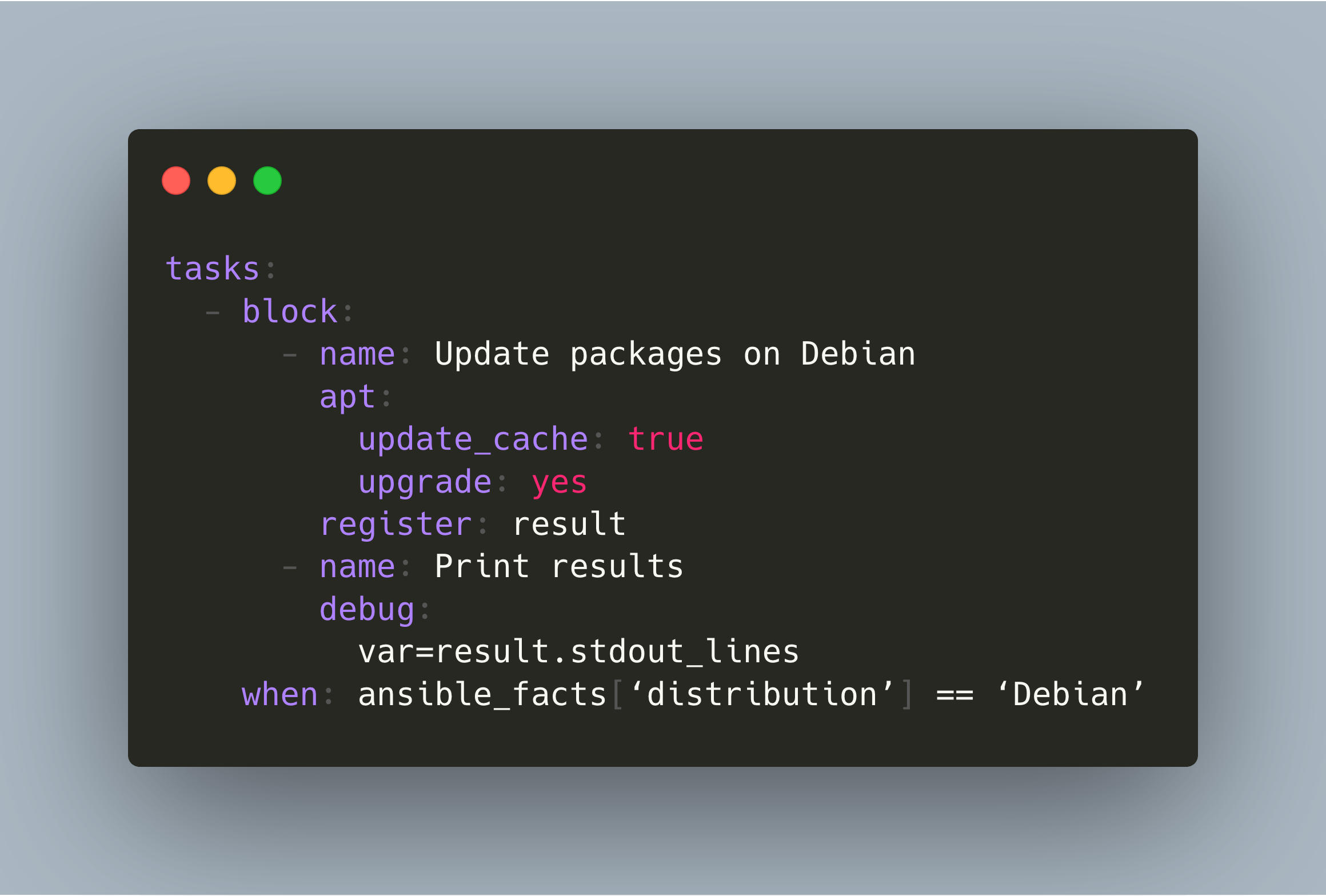
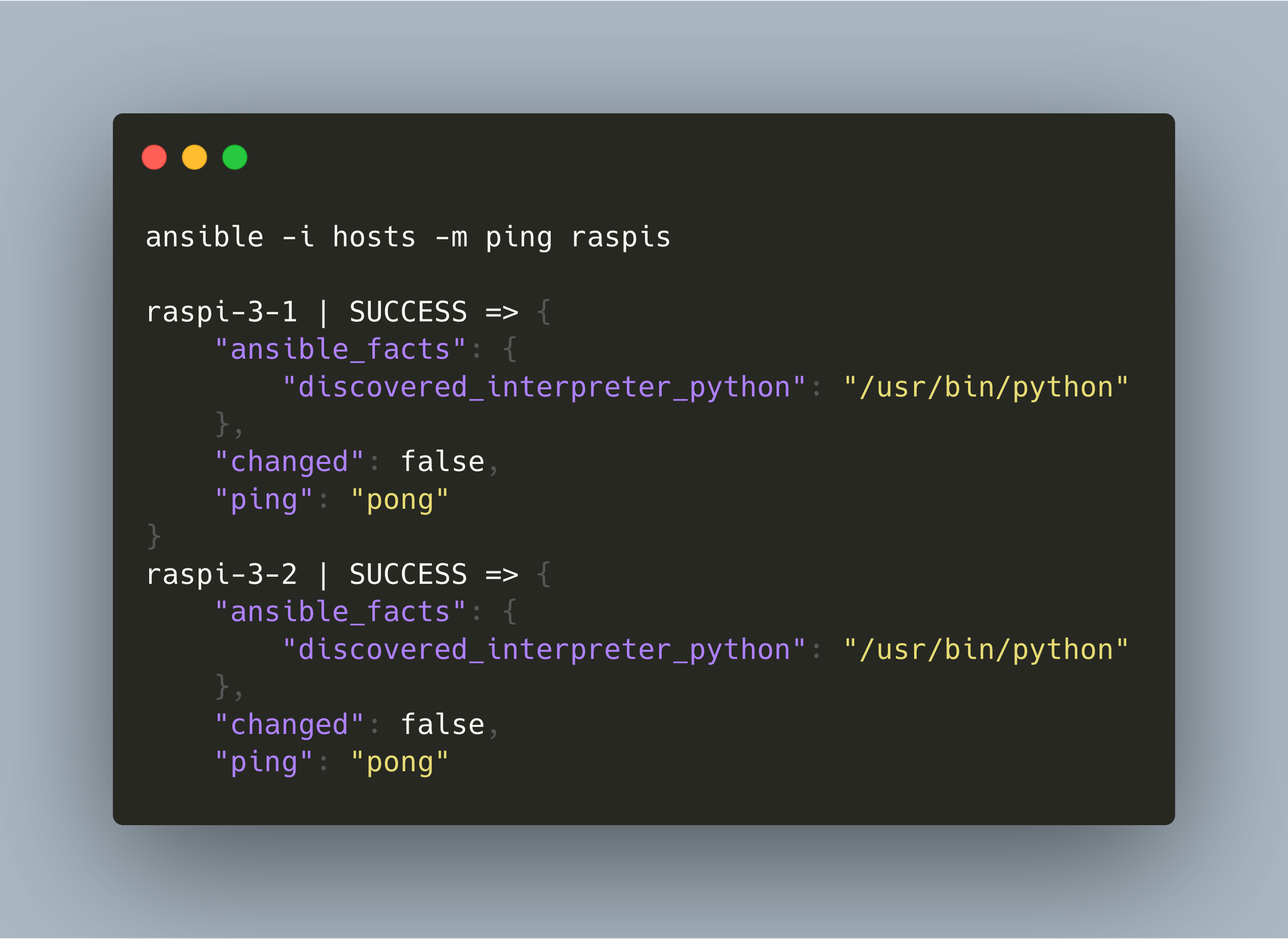
Ansible is an open source configuration, deployment and provisioning tool. In this post, I will show you how to create a task for update the operating system, install packages and rotate SSH keys
Ansible is an open source configuration, deployment and provisioning tool. Invented in 2012 and battle tested at companies with very complex IT systems, it showed a scalable approach how infrastructure can be expressed as code.
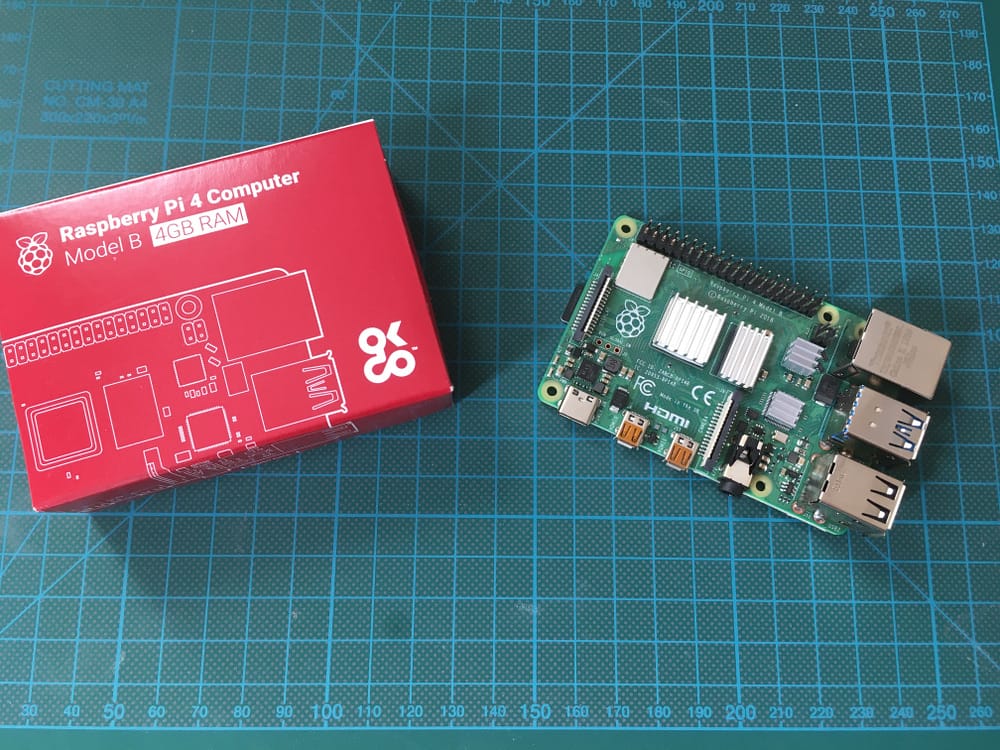
It is time for a new project! For some time, I have been playing with the idea to automate my array of Linux servers and Raspberry Pi boards. In this article, I provide the motivation, explain my infrastructure and formulate the requirements. See this post as my project kick-off!