_SPAC is a custom JavaScript framework for client-side, single-page web applications. It stands for "Stateful Pages, Actions and Components". Its design goal is to provide robust and simple entities that help you to structure apps. Pages and components provide the HTML, JavaScript functions and UI interactions. Actions govern external API calls. You define these entities in plain JavaScript, load up the central controller, and your app is ready to be served. Read the development journey of SPAC in my series: <https://admantium.com/category/spac-framework/>._
_SPAC is a custom JavaScript framework for client-side, single-page web applications. It stands for "Stateful Pages, Actions and Components". Its design goal is to provide robust and simple entities that help you to structure apps. Pages and components provide the HTML, JavaScript functions and UI interactions. Actions govern external API calls. You define these entities in plain JavaScript, load up the central controller, and your app is ready to be served. Read the development journey of SPAC in my series: <https://admantium.com/category/spac-framework/>._
_SPAC is a custom JavaScript framework for client-side, single-page web applications. It stands for "Stateful Pages, Actions and Components". Its design goal is to provide robust and simple entities that help you to structure apps. Pages and components provide the HTML, JavaScript functions and UI interactions. Actions govern external API calls. You define these entities in plain JavaScript, load up the central controller, and your app is ready to be served. Read the development journey of SPAC in my series: <https://admantium.com/category/spac-framework/>._
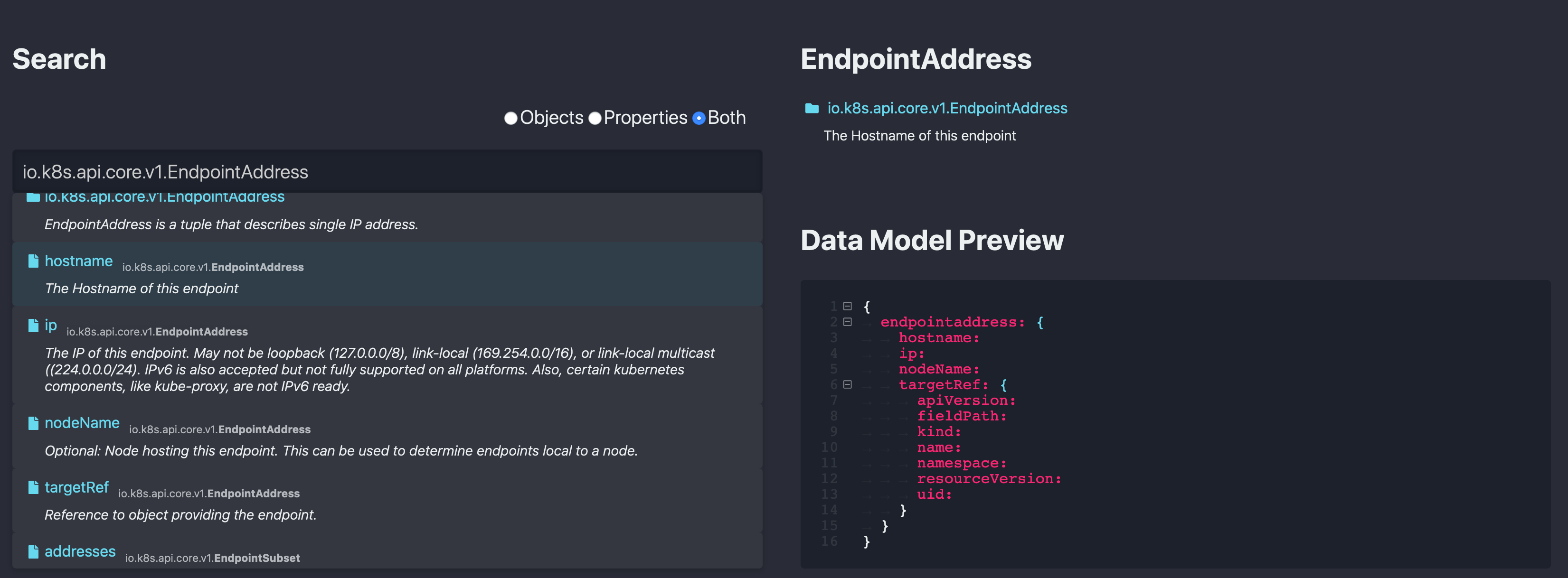
ApiBlaze is a tool to explore API specifications: Search for a keyword, filter for objects, properties, or endpoints, and immediately see descriptions and code examples. ApiBlaze helps you to answer a specific question about an API lightning fast. You can try it here: [apblaze.admantium.com](https://apiblaze.admantium.com).
_SPAC is a custom JavaScript framework for client-side, single-page web applications. It stands for "Stateful Pages, Actions and Components". Its design goal is to provide robust and simple entities that help you to structure apps. Pages and components provide the HTML, JavaScript functions and UI interactions. Actions govern external API calls. You define these entities in plain JavaScript, load up the central controller, and your app is ready to be served. Read the development journey of SPAC in my series: <https://admantium.com/category/spac-framework/>._
_SPAC is a custom JavaScript framework for client-side, single-page web applications. It stands for "Stateful Pages, Actions and Components". Its design goal is to provide robust and simple entities that help you to structure apps. Pages and components provide the HTML, JavaScript functions and UI interactions. Actions govern external API calls. You define these entities in plain JavaScript, load up the central controller, and your app is ready to be served. Read the development journey of SPAC in my series: <https://admantium.com/category/spac-framework/>._
ApiBlaze is a tool to explore API specifications: Search for a keyword, filter for objects, properties, or endpoints, and immediately see descriptions and code examples. ApiBlaze helps you to answer a specific question about an API lightning fast. You can try it here: [apblaze.admantium.com](https://apiblaze.admantium.com).
In my new blog post, I cover the essential design aspects of aIt is based on a custom JavaScript framework - SPAC, statefull pages, actions and components. Read about SPACs design in my new blog post
_ApiBlaze is a tool to explore API specifications: Search for a keyword, filter for objects, properties, or endpoints, and immediately see descriptions and code examples. ApiBlaze helps you to answer a specific question about an API lightning fast._
ApiBlaze is my new project, and this is the first post in a developer journal series - a set of related posts that cover individual aspects of the design, implementation and technologies. In this very first article, I explain the motivation, the key features, technologies and requirements to start the realization of ApiBlaze.