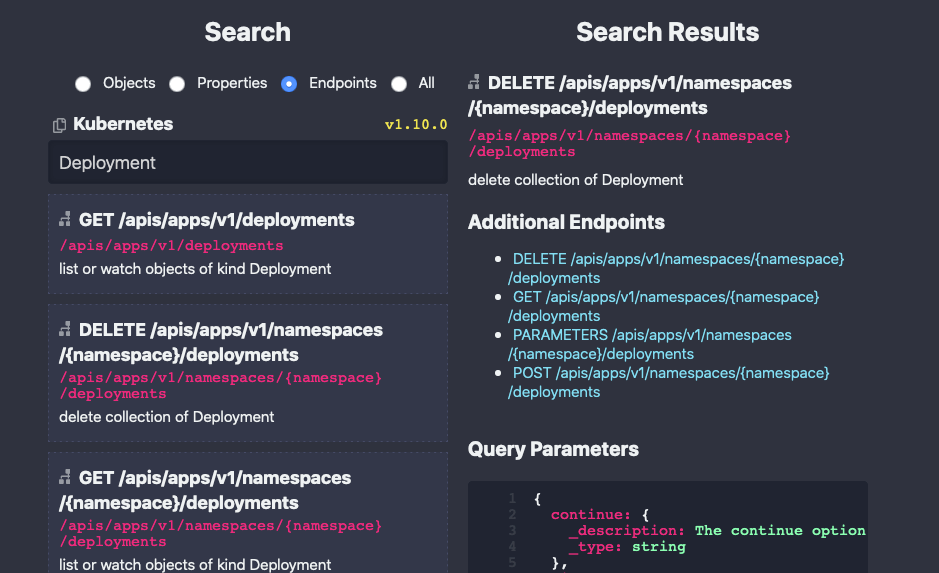
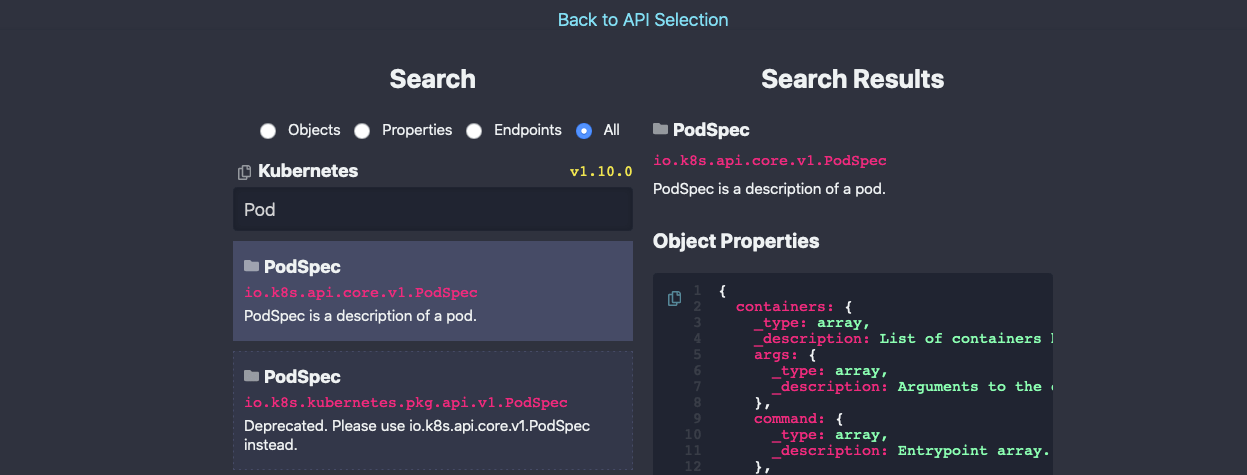
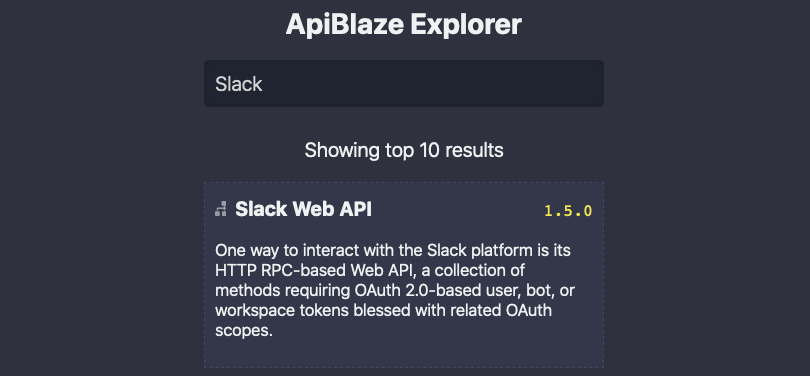
ApiBlaze is a tool to explore API specifications: Search for a keyword, filter for objects, properties, or endpoints, and immediately see descriptions and code examples. ApiBlaze helps you to answer a specific question about an API lightning fast. You can try it here: [apiblaze.admantium.com](https://apiblaze.admantium.com).
ApiBlaze is a tool to explore API specifications: Search for a keyword, filter for objects, properties, or endpoints, and immediately see descriptions and code examples. ApiBlaze helps you to answer a specific question about an API lightning fast. You can try it here: [apiblaze.admantium.com](https://apiblaze.admantium.com).
ApiBlaze is a tool to explore OpenAPI specifications: Search for a keyword, filter for objects, properties, or endpoints, and immediately see descriptions and code examples. ApiBlaze helps you to answer a specific question about an API lightning fast. You can try it here: [apblaze.admantium.com](https://apiblaze.admantium.com).
ApiBlaze is a tool to explore API specifications: Search for a keyword, filter for objects, properties, or endpoints, and immediately see descriptions and code examples. ApiBlaze helps you to answer a specific question about an API lightning fast. You can try it here: [apblaze.admantium.com](https://apiblaze.admantium.com).
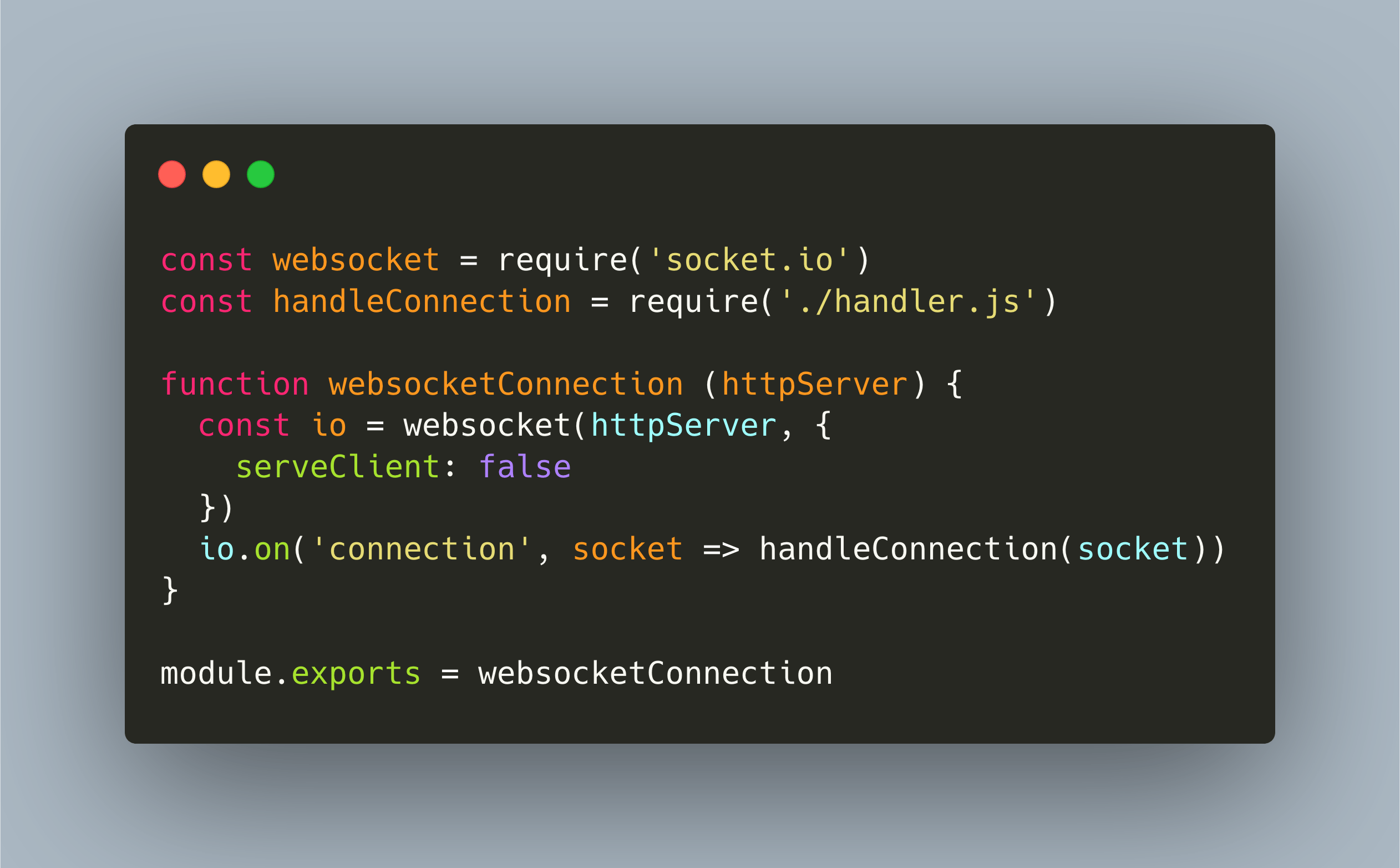
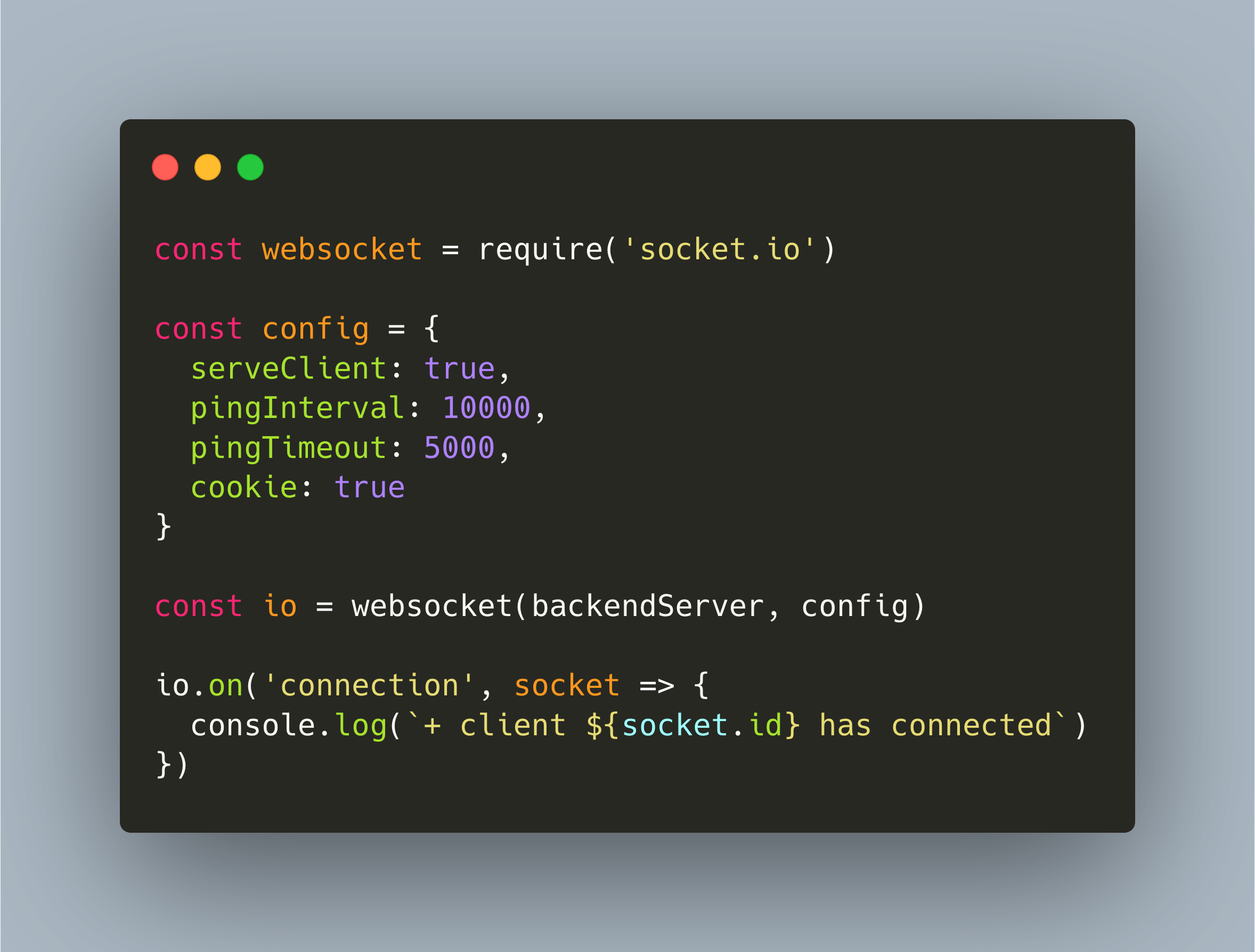
WebSockets are a protocol for establishing long-lasting connections between several nodes. Once the connection is established via a handshake, all subsequent messages are sent immediately. Not needing to wait for request-response pairs, as in the HTML protocol, greatly increases transmission speed. The connection is full-duplex, meaning data can be received and send at the same time, in both directions. In summary, these capabilities allow real-time data exchange between several nodes. WebSockets are the foundation for video streaming, audio streaming and chat applications.
ApiBlaze is a tool to explore API specifications: Search for a keyword, filter for objects, properties, or endpoints, and immediately see descriptions and code examples. ApiBlaze helps you to answer a specific question about an API lightning fast. You can try it here: [apblaze.admantium.com](https://apiblaze.admantium.com).
ApiBlaze is a tool to explore API specifications: Search for a keyword, filter for objects, properties, or endpoints, and immediately see descriptions and code examples. ApiBlaze helps you to answer a specific question about an API lightning fast. You can try it here: [apiblaze.admantium.com](https://apiblaze.admantium.com).
_ApiBlaze is a tool to explore API specifications: Search for a keyword, filter for objects, properties, or endpoints, and immediately see descriptions and code examples. ApiBlaze helps you to answer a specific question about an API lightning fast. **You can try it here: [apiblaze.admantium.com](https://apiblaze.admantium.com).**_
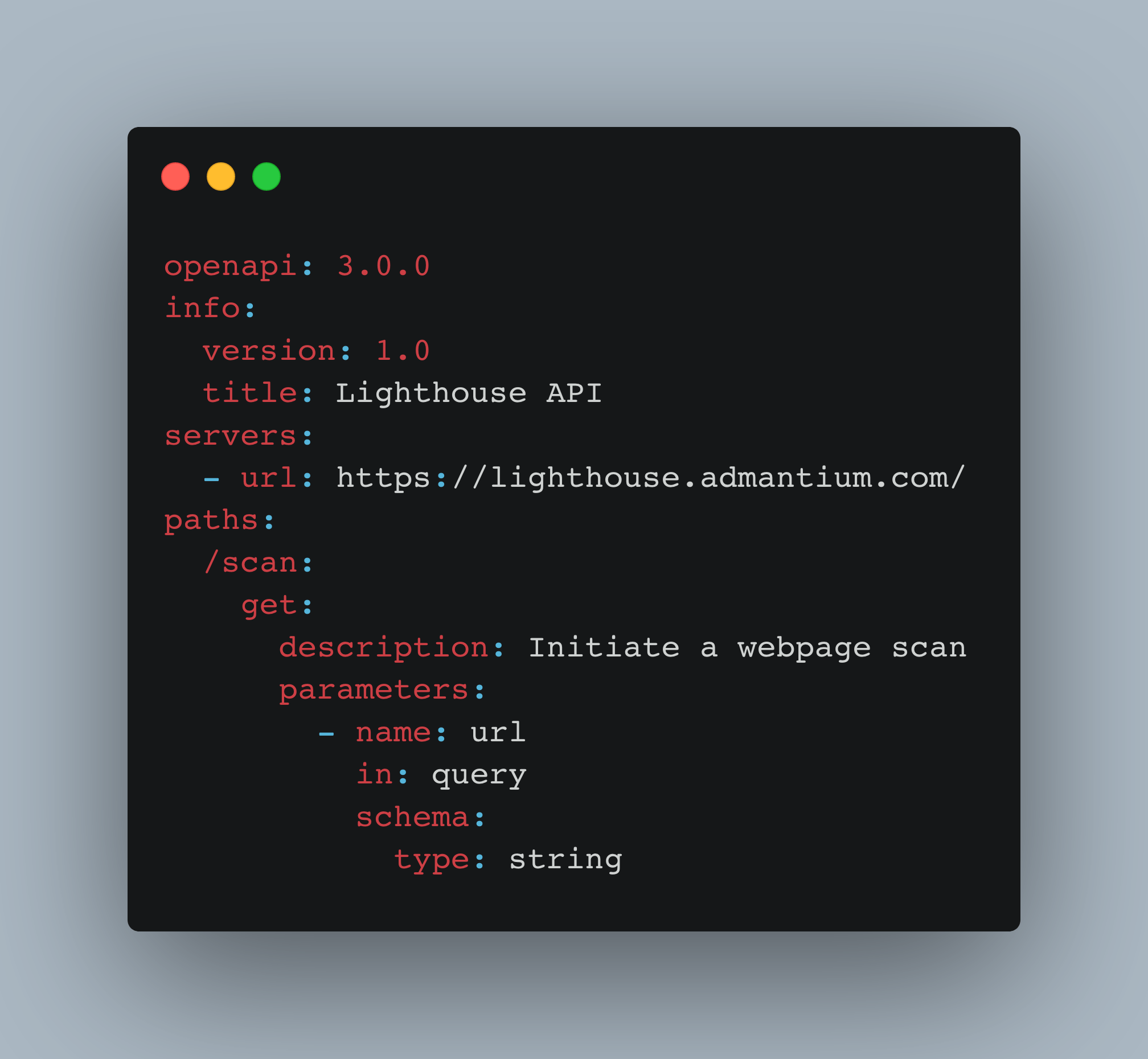
With OpenAPI, you provide in a declarative, JSON or YAML based format, the technical specification of an API. This documentation contains all necessary data to interact with your API, including endpoints, request parameters (query parameters or body payload) and the responses (status code, data). Furthermore, you can add additional descriptive texts and graphics to further the understanding.
OpenApi is a structured specification format in YAML or JSON. It helps you in designing a detailed specification of your API: endpoints, payloads to use, expected HTML status code. Read about writing an open API specification in my new tech article: https://blog.admantium.com/blog/tech06_openapi.md/